Caregiver Resources

🌿 The Caregiver Toolkit

Practical Tools. Emotional Support. Personalized Planning.
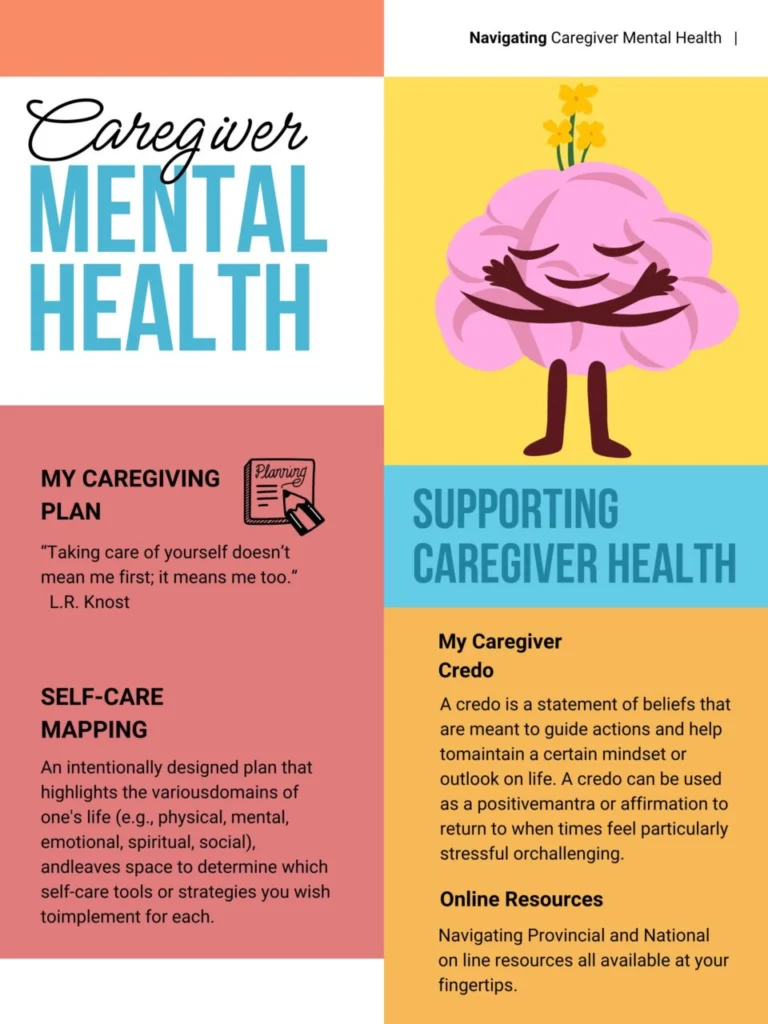
We’re thrilled to announce the official launch of the Caregiver Toolkit, proudly sponsored by the Rexall Care Network, and partner Recreational Respite a partnership dedicated to championing caregiver well‑being across Canada. Caregivers everywhere can download this dynamic, printable resource and immediately dive into interactive planning pages, self‑reflection exercises, and a rich Resource Guide packed with expert‑curated articles, videos, and books. Whether you’re new to caregiving or a seasoned support hero, the Caregiver Toolkit, powered by the support of Rexall Care Network is here to make every step of your journey more organized, informed, and inspired. Download your copy now and experience caregiving with confidence.
At the end of the toolkit, you’ll find a comprehensive Resource Guide filled with trusted articles, videos, books, and website links  all curated to help you learn, grow, and stay connected.

đź’› Your Journey. Your Toolkit.

Download your copy today and take a meaningful step toward feeling more informed, empowered, and supported

Caring for a loved one can be both meaningful and overwhelming. That’s why we, along with Recreational Respite and sponsored by Rexall Care Network by  created the Caregiver Toolkit — a thoughtfully designed, interactive, and printable resource to help you feel more confident and supported on your caregiving journey.
🛠️ What’s Inside:
  • Interactive planning pages to help you organize tasks, appointments, and daily routines

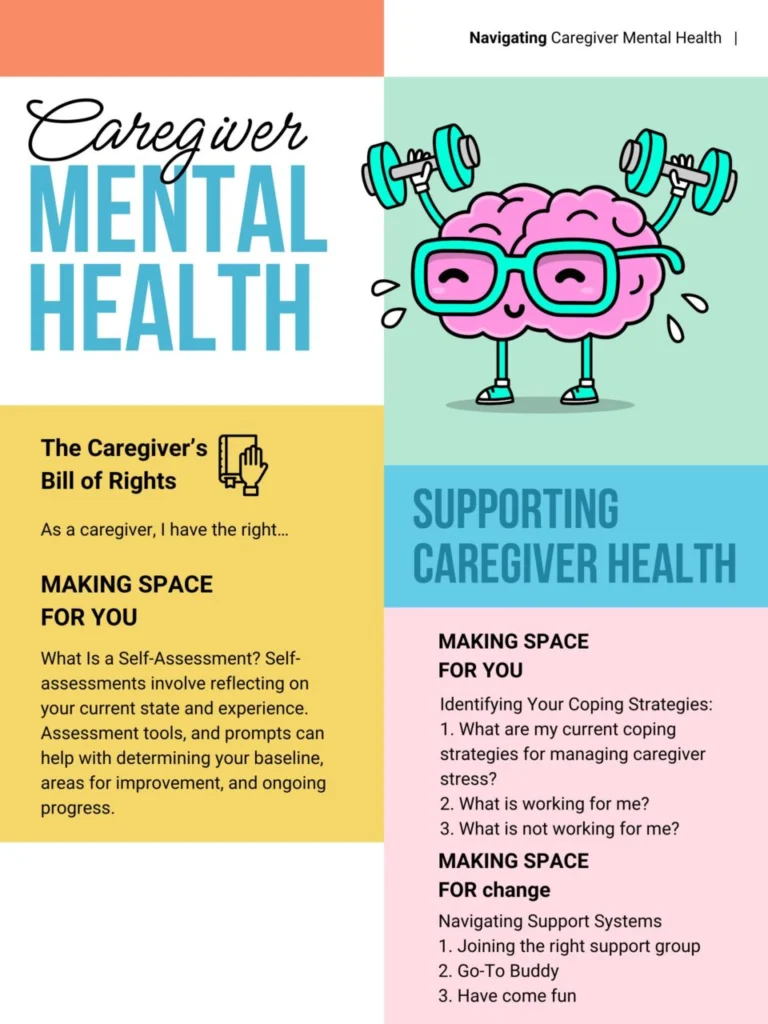
  • Self-assessment tools to help you reflect on your needs and those of your loved one

  • Space to take notes, journal, and track progress

  • Practical tips for managing stress, accessing support, and balancing your life
Caregiving is a demanding and often under recognized role that involves providing physical, emotional, and sometimes financial support to a loved one who is unable to fully care for themselves. This is also a role that is unconditional love and so rewarding.

  1. It’s Physically and Emotionally Taxing: Caregiving can take a toll on a caregiver’s physical and emotional well-being. The responsibilities of caregiving can be physically demanding, requiring lifting, bathing, and other tasks that can lead to physical strain. Additionally, the emotional toll of witnessing a loved one’s decline in health or cognitive abilities, coupled with the stress of managing their care, can lead to burnout, anxiety, depression, and other mental health challenges.
  2. It’s a Full-Time Job: Caregiving often requires a significant time commitment, sometimes even surpassing the demands of a full-time job. Caregivers may need to be available around the clock to attend to their loved one’s needs, manage medications, accompany them to appointments, and provide emotional support. This can make it difficult for caregivers to balance their caregiving responsibilities with other aspects of their lives, such as work, family, and personal interests.
  3. It Can Be Isolating: Caregiving can be a lonely experience, especially if caregivers lack a support network or opportunities for respite. Many caregivers find themselves spending long hours alone with their loved one, which can lead to social isolation and feelings of loneliness. Additionally, caregivers may struggle to maintain relationships with friends and family members due to the demands of caregiving.
  4. It’s Financially Straining: Caregiving often comes with financial burdens, including out-of-pocket expenses for medical supplies, medications, home modifications, and other caregiving-related costs. In addition, many caregivers may need to reduce their working hours or leave their jobs entirely to fulfill their caregiving responsibilities, resulting in loss of income and financial instability.
  5. It Requires Advocacy: Caregivers often find themselves navigating complex healthcare systems, coordinating with multiple healthcare providers, and advocating for their loved one’s needs. This can be a daunting task, especially for caregivers who are unfamiliar with medical terminology or procedures. Effective advocacy involves being informed, assertive, and persistent in ensuring that your loved one receives the care and support they need.
  6. It’s a Labor of Love: Despite the challenges and sacrifices involved, many caregivers find fulfillment and purpose in their role. The opportunity to make a positive difference in their loved one’s life, to provide comfort and companionship, and to honor their relationship is deeply rewarding for many caregivers. The bond that forms between caregivers and their loved ones can be incredibly meaningful and life-affirming.


Overall, caregiving is a complex and multifaceted experience that encompasses both challenges and rewards. It’s important to recognize and support the invaluable contributions of caregivers and to advocate for policies and resources that alleviate the burdens they face. Providing caregivers with access to support services, respite care, financial assistance, and emotional support can help lighten their load and improve their quality of life.

Being a caregiver can be emotionally challenging, especially when you find yourself dealing with “what if” scenarios. Here are some strategies to help you cope with these thoughts.

  1. Focus on the Present: Remind yourself to focus on the present moment rather than getting caught up in hypothetical situations. Concentrate on the tasks at hand and the needs of the person you’re caring for.
  2. Acceptance: Accept that you can’t control every outcome. Acknowledge that uncertainty is a natural part of life and caregiving. Practice acceptance of the situation as it is, rather than dwelling on what could happen.
  3. Educate Yourself: Gain knowledge about the condition or illness of the person you’re caring for. Understanding the prognosis and potential risks can help alleviate some of the anxiety associated with “what if” scenarios.
  4. Communication: Discuss your concerns with other caregivers, friends, or family members. Talking about your worries can provide perspective and emotional support. You might also consider joining a support group for caregivers where you can share experiences and coping strategies.
  5. Self-Care: Take care of your own physical and emotional well-being. Make time for activities that you enjoy and that help you relax. Engage in self-care practices such as exercise, meditation, or hobbies to reduce stress and maintain resilience.
  6. Problem-Solving: Instead of dwelling on the negative “what if” scenarios, focus on problem-solving and proactive measures you can take to address potential challenges. Develop contingency plans and seek guidance from healthcare professionals if needed.
  7. Seek Professional Help: If your worries and anxieties become overwhelming, consider seeking support from a therapist or counselor. A mental health professional can help you develop coping strategies and provide a safe space to express your feelings.
  8. Practice Mindfulness: Mindfulness techniques, such as deep breathing exercises or mindfulness meditation, can help you stay grounded in the present moment and reduce anxiety about future uncertainties.
  9. Set Boundaries: It’s important to set boundaries and recognize your own limitations as a caregiver. Don’t hesitate to ask for help when you need it, and delegate tasks to other family members or caregivers if possible.
  10. Celebrate Small Victories: Focus on the positive aspects of caregiving and celebrate small victories along the way. Recognize and appreciate the meaningful impact you’re making in the life of the person you’re caring for.

Remember that being a caregiver is a demanding role, and it’s okay to experience a range of emotions, including worry and uncertainty. By implementing these strategies, you can better cope with the “what if” scenarios and navigate the challenges of caregiving with resilience and compassion.

Combatting caregiver burnout involves taking proactive steps to prioritize self-care and seek support. Here are some strategies to help combat caregiver burnout.

  1. Acknowledge Your Feelings: Recognize and acknowledge your feelings of stress, overwhelm, and exhaustion. Accept that it’s okay to feel this way and that you’re not alone in experiencing caregiver burnout.
  2. Set Realistic Expectations: Be realistic about what you can and cannot do as a caregiver. Set achievable goals and prioritize tasks based on importance. Don’t be afraid to ask for help or delegate responsibilities when needed.
  3. Practice Self-Care: Make self-care a priority. Take regular breaks to rest and recharge. Engage in activities that you enjoy and that help you relax, such as exercise, meditation, reading, or spending time outdoors.
  4. Seek Support: Don’t try to do everything on your own. Reach out to family members, friends, or support groups for help and emotional support. Consider joining a caregiver support group where you can connect with others who understand what you’re going through.
  5. Set Boundaries: Establish boundaries to protect your own well-being. Learn to say no to additional responsibilities or commitments that may contribute to feelings of overwhelm. Prioritize your own needs and don’t feel guilty about taking time for yourself.
  6. Communicate Effectively: Communicate openly and honestly with the person you’re caring for about your own needs and limitations. Encourage them to express their own preferences and concerns, and work together to find solutions that meet both of your needs.
  7. Take Regular Breaks: Schedule regular breaks from caregiving to give yourself time to rest and recharge. Arrange for respite care or enlist the help of family members or professional caregivers to provide temporary relief.
  8. Stay Organized: Stay organized and keep track of important information, appointments, and tasks related to caregiving. Use tools such as calendars, to-do lists, or smartphone apps to help you stay on top of everything.
  9. Prioritize Healthy Habits: Focus on maintaining a healthy lifestyle by eating nutritious meals, getting regular exercise, and getting enough sleep. Avoid relying on unhealthy coping mechanisms such as excessive caffeine, alcohol, or tobacco.
  10. Seek Professional Help: If you’re struggling to cope with caregiver burnout on your own, don’t hesitate to seek professional help. A therapist or counselor can provide support, guidance, and coping strategies to help you manage stress and prioritize your own well-being.


Remember that taking care of yourself is not selfish—it’s essential for your own health and well-being, as well as for your ability to continue providing care to your loved one. By prioritizing self-care and seeking support when needed, you can combat caregiver burnout and maintain your resilience and compassion as a caregiver.

Caregiver burnout is a state of physical, emotional, and mental exhaustion often accompanied by a change in attitude, from positive and caring to negative and unconcerned. Here are some signs to watch out for:

  1. Physical Exhaustion: Caregiver burnout can manifest as feeling constantly tired or rundown, experiencing frequent headaches or body aches, and having trouble sleeping or sleeping too much.
  2. Emotional Exhaustion: Caregivers may feel overwhelmed, irritable, or moody. They may experience feelings of sadness, hopelessness, or helplessness. Additionally, they might become more emotionally distant or detached from the person they are caring for.
  3. Increased Stress and Anxiety: Caregivers may experience heightened levels of stress and anxiety, often related to the demands of caregiving responsibilities. They may worry excessively about the health and well-being of the person they are caring for, as well as financial and logistical concerns.
  4. Loss of Interest or Enjoyment: Caregivers may lose interest in activities they once enjoyed or find it difficult to relax and unwind. They may also withdraw from social interactions and isolate themselves from friends and family.
  5. Neglecting Personal Needs: Caregivers may neglect their own needs, including eating poorly, skipping meals, or forgetting to take medications. They may also neglect personal hygiene or medical appointments.
  6. Difficulty Concentrating: Caregivers may have difficulty concentrating or making decisions. They may feel mentally foggy or forgetful, which can impact their ability to perform caregiving tasks effectively.
  7. Increased Irritability: Caregivers may become more easily frustrated or irritated, both with the person they are caring for and with others. They may have a shorter temper and lash out in anger or frustration.
  8. Feeling Overwhelmed: Caregivers may feel overwhelmed by the demands of caregiving and struggle to keep up with responsibilities. They may feel like they’re never able to catch up or get a break from their duties.
  9. Changes in Health: Caregivers may experience changes in their own physical health, such as weight gain or loss, increased susceptibility to illness, or exacerbation of existing health conditions.
  10. Social Withdrawal: Caregivers may withdraw from social activities and relationships, feeling too exhausted or overwhelmed to engage with others. They may also feel guilty or ashamed about their inability to balance caregiving responsibilities with personal life.


If you notice these signs in yourself or someone you know who is a caregiver, it’s important to take action to address caregiver burnout. This may involve seeking support from other family members or friends, enlisting the help of professional caregivers or respite care services, and prioritizing self-care activities. It’s essential for caregivers to recognize their own limits and take steps to maintain their physical, emotional, and mental well-being.

Most importantly, we want to mention we know everyone is doing their very best everyday. We hope the ideas we have included may help or let you know you’re doing awesome with all the steps you’re taking.  The ideas below encourage continuous learning, self-reflection, and a commitment to continuing to provide the best possible care for your loved one. Remember you can always contact Hydrocephalus Canada for one on one help. Here are some ideas.

Educate Yourself: Take the time to learn about the condition or illness of the person you’re caring for. Understanding their needs, symptoms, and treatment options will help you provide more effective care.

  1. Communicate Effectively: Practice active listening and clear communication with the person you’re caring for. Encourage them to express their preferences, concerns, and feelings, and be respectful of their autonomy and choices.
  2. Be Empathetic: Put yourself in the shoes of the person you’re caring for and try to understand their perspective. Show empathy and compassion in your interactions, and validate their emotions and experiences.
  3. Practice Patience: Caregiving can be challenging, and patience is essential. Take a deep breath and remain calm, even in stressful situations. Remember that the person you’re caring for may be experiencing frustration or discomfort, and respond with patience and understanding.
  4. Respect Their Dignity: Treat the person you’re caring for with dignity and respect at all times. Respect their privacy, independence, and personal preferences, and involve them in decision-making whenever possible.
  5. Prioritize Safety: Take steps to ensure the safety and well-being of the person you’re caring for. Make their living environment safe and accessible, and be proactive in preventing accidents or injuries.
  6. Take Care of Yourself: Remember that you can’t pour from an empty cup. Prioritize your own physical, emotional, and mental well-being by practicing self-care, seeking support when needed, and taking breaks to rest and recharge.
  7. Set Realistic Expectations: Be realistic about what you can and cannot do as a caregiver. Set achievable goals and don’t be too hard on yourself if things don’t always go as planned. Celebrate small victories and recognize the value of the care you provide.
  8. Seek Support: Don’t hesitate to reach out for help when you need it. Seek support from family members, friends, or support groups, and consider enlisting the help of professional caregivers or respite care services to provide temporary relief.
  9. Practice Gratitude: Cultivate a mindset of gratitude and appreciation for the opportunity to care for your loved one. Focus on the positive aspects of caregiving and the meaningful connections you share with the person you’re caring for.


Remember that being a caregiver is a journey, and it’s okay to make mistakes along the way. By continually striving to improve and providing care with compassion, empathy, and respect, you can make a positive difference in the lives of those you care for.

  1. Engage in Creative Activities: Explore your creative side by engaging in activities such as painting, drawing, crafting, writing, or playing a musical instrument. Creative expression can be a therapeutic outlet for stress and a way to relax and recharge.

  2. Spend Time in Nature: Take a break from caregiving responsibilities and spend time outdoors in nature. Go for a walk in the park, hike on a nature trail, have a picnic in the backyard, or simply sit and enjoy the sights and sounds of nature.

  3. Practice Mindfulness: Practice mindfulness techniques such as deep breathing, meditation, or yoga to help calm the mind and reduce stress. Even just a few minutes of mindfulness practice each day can make a difference in your overall well-being.

  4. Laugh: Laughter is a powerful stress reliever, so seek out opportunities to laugh and have fun. Watch a funny movie or TV show, listen to a comedy podcast, or spend time with friends who make you laugh.

  5. Exercise: Engage in physical activity to release endorphins and reduce stress. Find an exercise routine that you enjoy, whether it’s going for a run, taking a dance class, practicing yoga, or playing a sport.

  6. Pamper Yourself: Treat yourself to some self-care activities to relax and rejuvenate. Take a long bath with scented candles and soothing music, give yourself a manicure or pedicure, or indulge in a massage or spa treatment.

  7. Connect with Loved Ones: Spend quality time with family and friends who lift your spirits and provide emotional support. Schedule regular social outings or virtual gatherings to stay connected and nurture your relationships.

  8. Engage in Hobbies: Dedicate time to hobbies and interests that bring you joy and fulfillment. Whether it’s gardening, cooking, photography, or playing a musical instrument, immerse yourself in activities that you love.

  9. Volunteer: Volunteering can provide a sense of purpose and fulfillment outside of caregiving responsibilities. Look for volunteer opportunities in your community that align with your interests and values.

  10. Practice Gratitude: Take time each day to reflect on the things you’re grateful for. Keeping a gratitude journal or simply expressing gratitude verbally can help shift your focus from stress to appreciation.


Remember that self-care is essential for caregivers to maintain their physical, emotional, and mental well-being. Incorporate these fun stress release options into your routine to help you relax, recharge, and better cope with the demands of caregiving.

Disclaimer: The tips shared regarding coping with caregiving are general suggestions and may not be suitable for everyone. It’s important to consult with healthcare professionals or specialists for personalized advice based on individual circumstances and needs. These tips are not a substitute for professional medical or psychological advice, diagnosis, or treatment. Always prioritize your well-being and seek appropriate support when necessary.