
Because it affects the brain, hydrocephalus can cause a wide range of symptoms ranging from difficulty breathing, poor muscle coordination and mobility challenges to problems with vision, fatigue, headaches, seizures, incontinence and hormonal imbalances. Challenges with learning, social skills, memory and problem solving are among the most common complications of hydrocephalus. Individuals with the condition may require modifications to the way they are taught, especially when it comes to learning new things at school or work.
Hydrocephalus is a very serious condition that, in most cases, requires medical attention. Delaying treatment may cause lasting injury to the brain, so getting an accurate diagnosis and the appropriate treatment as soon as possible is critical.
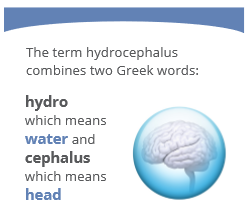
Hydrocephalus can affect anyone at any time. It is a chronic condition which means there is no cure and, in most cases, the person affected will have to live with the condition for life.
When the condition is present in a newborn baby, it is called congenital hydrocephalus. It may be caused by genetic conditions or influences that affect development in the womb or by blockages, cysts or spina bifida.
Hydrocephalus that develops after birth, is called acquired hydrocephalus. Babies born prematurely, those who suffer a head injury, stroke, brain tumor, or meningitis may be at a higher risk of developing the condition.