
Download your copy today and take a meaningful step toward feeling more informed, empowered, and supported
Interactive planning pages to help you organize tasks, appointments, and daily routines
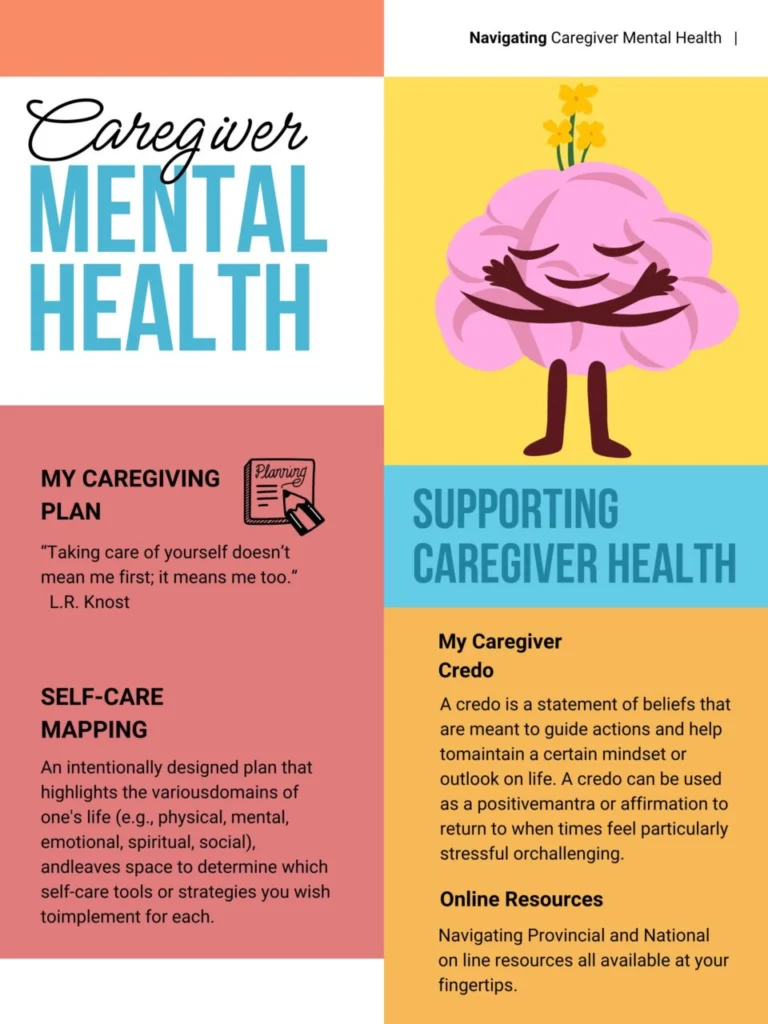
Self-assessment tools to help you reflect on your needs and those of your loved one
Space to take notes, journal, and track progress
Practical tips for managing stress, accessing support, and balancing your life
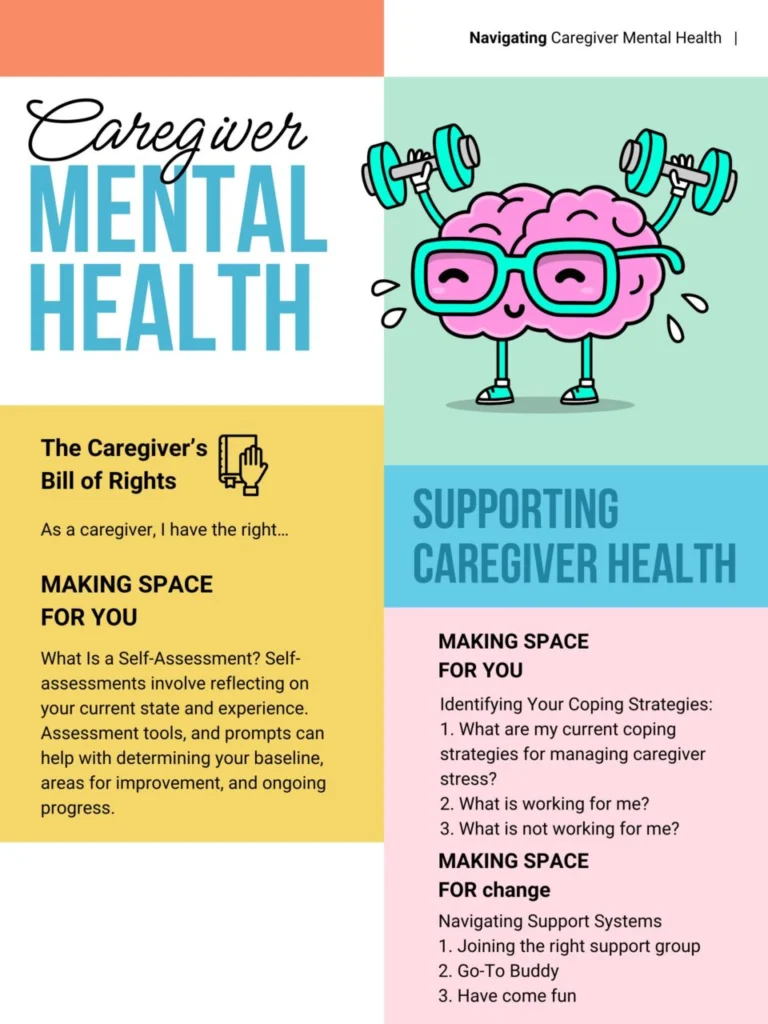
Caregiving is a demanding and often under recognized role that involves providing physical, emotional, and sometimes financial support to a loved one who is unable to fully care for themselves. This is also a role that is unconditional love and so rewarding.
Overall, caregiving is a complex and multifaceted experience that encompasses both challenges and rewards. It’s important to recognize and support the invaluable contributions of caregivers and to advocate for policies and resources that alleviate the burdens they face. Providing caregivers with access to support services, respite care, financial assistance, and emotional support can help lighten their load and improve their quality of life.
Being a caregiver can be emotionally challenging, especially when you find yourself dealing with “what if” scenarios. Here are some strategies to help you cope with these thoughts.
Remember that being a caregiver is a demanding role, and it’s okay to experience a range of emotions, including worry and uncertainty. By implementing these strategies, you can better cope with the “what if” scenarios and navigate the challenges of caregiving with resilience and compassion.
Combatting caregiver burnout involves taking proactive steps to prioritize self-care and seek support. Here are some strategies to help combat caregiver burnout.
Remember that taking care of yourself is not selfish—it’s essential for your own health and well-being, as well as for your ability to continue providing care to your loved one. By prioritizing self-care and seeking support when needed, you can combat caregiver burnout and maintain your resilience and compassion as a caregiver.
Caregiver burnout is a state of physical, emotional, and mental exhaustion often accompanied by a change in attitude, from positive and caring to negative and unconcerned. Here are some signs to watch out for:
If you notice these signs in yourself or someone you know who is a caregiver, it’s important to take action to address caregiver burnout. This may involve seeking support from other family members or friends, enlisting the help of professional caregivers or respite care services, and prioritizing self-care activities. It’s essential for caregivers to recognize their own limits and take steps to maintain their physical, emotional, and mental well-being.
Most importantly, we want to mention we know everyone is doing their very best everyday. We hope the ideas we have included may help or let you know you’re doing awesome with all the steps you’re taking. The ideas below encourage continuous learning, self-reflection, and a commitment to continuing to provide the best possible care for your loved one. Remember you can always contact Hydrocephalus Canada for one on one help. Here are some ideas.
Educate Yourself: Take the time to learn about the condition or illness of the person you’re caring for. Understanding their needs, symptoms, and treatment options will help you provide more effective care.
Remember that being a caregiver is a journey, and it’s okay to make mistakes along the way. By continually striving to improve and providing care with compassion, empathy, and respect, you can make a positive difference in the lives of those you care for.
Engage in Creative Activities: Explore your creative side by engaging in activities such as painting, drawing, crafting, writing, or playing a musical instrument. Creative expression can be a therapeutic outlet for stress and a way to relax and recharge.
Spend Time in Nature: Take a break from caregiving responsibilities and spend time outdoors in nature. Go for a walk in the park, hike on a nature trail, have a picnic in the backyard, or simply sit and enjoy the sights and sounds of nature.
Practice Mindfulness: Practice mindfulness techniques such as deep breathing, meditation, or yoga to help calm the mind and reduce stress. Even just a few minutes of mindfulness practice each day can make a difference in your overall well-being.
Laugh: Laughter is a powerful stress reliever, so seek out opportunities to laugh and have fun. Watch a funny movie or TV show, listen to a comedy podcast, or spend time with friends who make you laugh.
Exercise: Engage in physical activity to release endorphins and reduce stress. Find an exercise routine that you enjoy, whether it’s going for a run, taking a dance class, practicing yoga, or playing a sport.
Pamper Yourself: Treat yourself to some self-care activities to relax and rejuvenate. Take a long bath with scented candles and soothing music, give yourself a manicure or pedicure, or indulge in a massage or spa treatment.
Connect with Loved Ones: Spend quality time with family and friends who lift your spirits and provide emotional support. Schedule regular social outings or virtual gatherings to stay connected and nurture your relationships.
Engage in Hobbies: Dedicate time to hobbies and interests that bring you joy and fulfillment. Whether it’s gardening, cooking, photography, or playing a musical instrument, immerse yourself in activities that you love.
Volunteer: Volunteering can provide a sense of purpose and fulfillment outside of caregiving responsibilities. Look for volunteer opportunities in your community that align with your interests and values.
Practice Gratitude: Take time each day to reflect on the things you’re grateful for. Keeping a gratitude journal or simply expressing gratitude verbally can help shift your focus from stress to appreciation.
Remember that self-care is essential for caregivers to maintain their physical, emotional, and mental well-being. Incorporate these fun stress release options into your routine to help you relax, recharge, and better cope with the demands of caregiving.